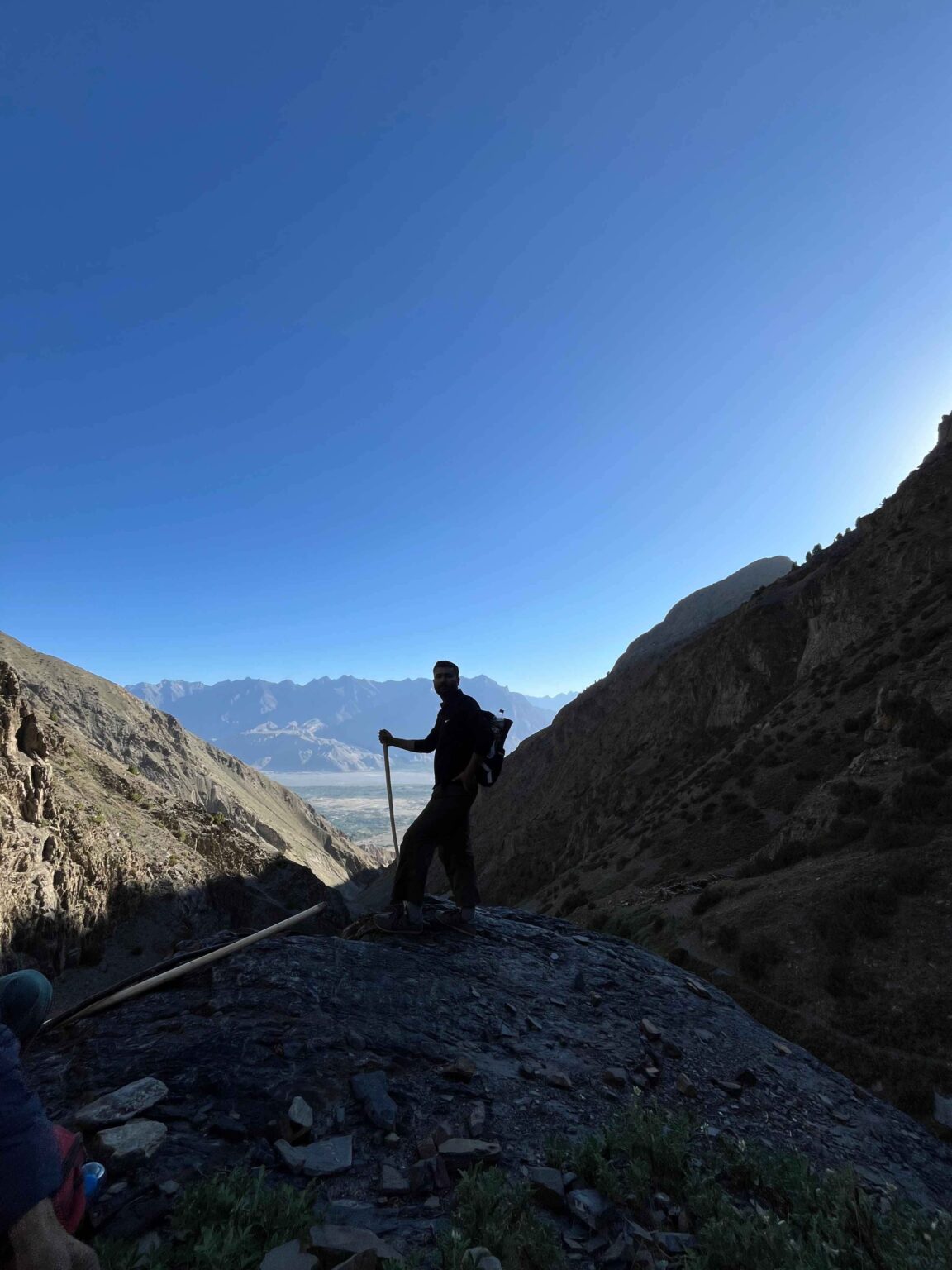
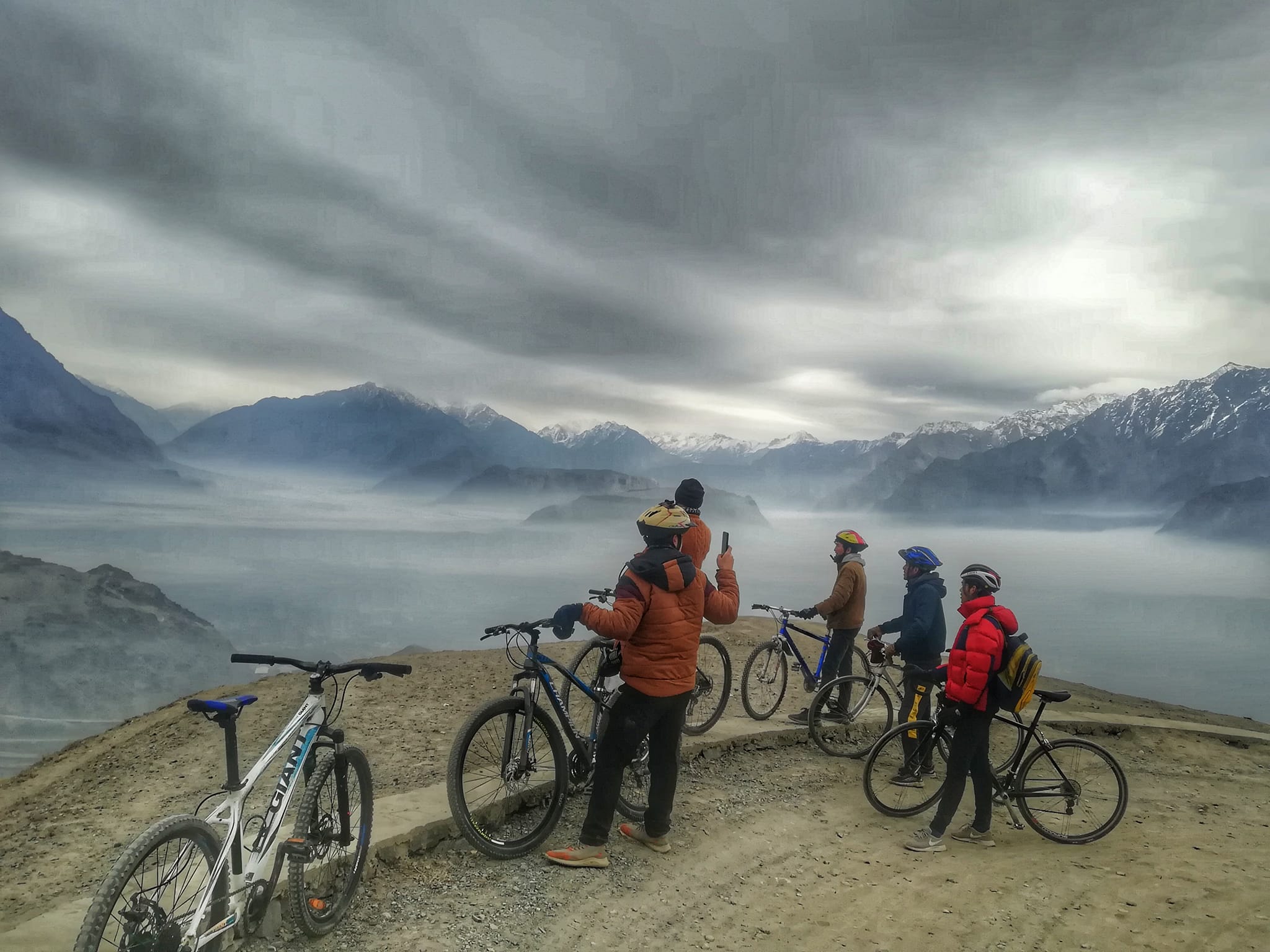
Northern Pakistan is one of the last great overland adventures in Asia — a route that climbs from the plains of Islamabad up the Karakoram Highway, past the confluence of the Hindu Kush, Karakoram, and Himalaya, and into the high valleys of Hunza, Skardu, and Deosai. This 10–14 day Northern Pakistan itinerary covers the classic loop most travelers want: enough time to acclimatize, see the highlights, and still leave room for weather.
Use this Skardu travel guide and Northern Pakistan itinerary as a flexible template. Distances are long, roads are mountainous, and flights to Skardu are famously weather-dependent — always keep buffer days.
Quick overview of the route
The itinerary follows the Karakoram Highway (KKH) north from Islamabad, spends time acclimatizing in Hunza, then crosses to Skardu and Deosai before flying or driving back. Total driving is roughly 1,600–2,000 km depending on side trips.
Day 1 — Arrive Islamabad
Arrive into Islamabad International Airport. Rest, exchange currency, buy a local SIM (Zong or SCOM work best in the north), and pick up any last supplies. Optional: visit Faisal Mosque and the Margalla Hills viewpoint at sunset.
Day 2 — Islamabad to Naran or Chilas
Long driving day up the Karakoram Highway. Most travelers break the journey in Naran (via Kaghan Valley) or push through to Chilas. Expect 8–12 hours on the road with stops.
Day 3 — Chilas to Karimabad (Hunza)
Continue north along the KKH, passing the Nanga Parbat viewpoint at Raikot Bridge and the Junction Point where three great mountain ranges meet. Arrive Karimabad by evening.
Day 4 — Hunza Valley: Baltit and Altit Forts
Acclimatization day in Hunza (2,500 m). Visit Baltit Fort, Altit Fort, and the old village of Ganish. Sunset at Duikar / Eagle's Nest is unmissable.
Day 5 — Attabad Lake, Passu, and Khunjerab
Day trip up the Upper Hunza (Gojal) region: turquoise Attabad Lake, the Passu Cones, Hussaini suspension bridge, and — if the pass is open (May–October) — Khunjerab Pass at 4,700 m on the Chinese border.
Day 6 — Hunza to Skardu
Drive back down the KKH to Jaglot, then east along the Skardu Road (recently upgraded but still a full-day mountain drive along the Indus) to reach Skardu by evening. 7–9 hours.
Day 7 — Skardu city and Kharpocho Fort
Rest and explore Skardu: Kharpocho (Skardu Fort), the bazaar, Satpara Lake, and the Katpana cold desert at sunset.
Day 8 — Shigar Valley and Shigar Fort
Day trip to Shigar Valley — apricot orchards, the restored 400-year-old Shigar Fort (now a heritage hotel), and the trailhead for K2 base camp expeditions.
Day 9 — Shangrila and Upper Kachura Lake
Visit Shangrila Resort on Lower Kachura Lake, then walk or drive to the quieter Upper Kachura Lake for boating and lunch by the water.
Day 10 — Deosai National Park
Full-day 4x4 trip to Deosai — the second-highest plateau in the world at over 4,000 m. Look for Himalayan brown bears, marmots, and Sheosar Lake. Only accessible roughly late June to September.
Day 11 — Buffer day (weather or Khaplu)
Keep this day flexible for weather delays, or extend east to Khaplu Valley and the Serena-restored Khaplu Palace — one of the most beautiful drives in Baltistan.
Day 12 — Fly Skardu to Islamabad
PIA operates the Skardu–Islamabad flight when weather allows (one of the most scenic flights in the world, passing Nanga Parbat). If cancelled, drive back to Chilas as a backup.
Days 13–14 — Islamabad and departure
Buffer for cancelled flights, a day in Rawalpindi's Saddar Bazaar or Taxila's Gandharan ruins, then departure.
What to pack
- Warm layers even in summer — nights at altitude are cold
- Sturdy walking shoes
- Cash in PKR (ATMs are unreliable outside Skardu and Gilgit)
- Copies of passport and NOC if visiting restricted areas
- Motion-sickness tablets for the KKH
- Universal adapter and a power bank
Best time for this itinerary
- Late May to early July — green valleys, cherry and apricot blossom tail
- July to August — Deosai fully open, warmest weather, monsoon can affect KKH
- September to mid-October — clearest skies, autumn colours, fewer tourists (best overall)
Shortening to 10 days or extending to 14
For 10 days, skip Khunjerab and the Khaplu buffer and fly Skardu–Islamabad instead of driving. For a full 14, add Fairy Meadows and a Nanga Parbat base camp trek between Chilas and Hunza.
FAQs
- Is 10 days enough for a Northern Pakistan itinerary?
- Ten days is workable if you fly Skardu–Islamabad in at least one direction. Twelve to fourteen days is more comfortable and gives you a buffer for weather-cancelled flights, which are common.
- Is the Karakoram Highway safe to drive?
- The KKH is paved and in generally good condition, but it is a mountain road with landslides, weather closures, and long driving days. Most travelers hire a driver rather than self-drive.
- Do I need a permit for Skardu or Deosai?
- No permit is required for Skardu, Hunza, or Deosai for most nationalities. Restricted areas near the borders (Khunjerab, Shimshal, K2 base camp) may require an NOC arranged through a local operator.
- When does Deosai National Park open?
- Deosai is typically accessible from late June to mid-September. Outside that window the plateau is snowbound and closed.
- How much does a 10–14 day Northern Pakistan trip cost?
- Budget travelers can do it for USD 40–60 per day; mid-range with private transport and heritage hotels runs USD 120–200 per day per person; K2-region trekking is significantly more.